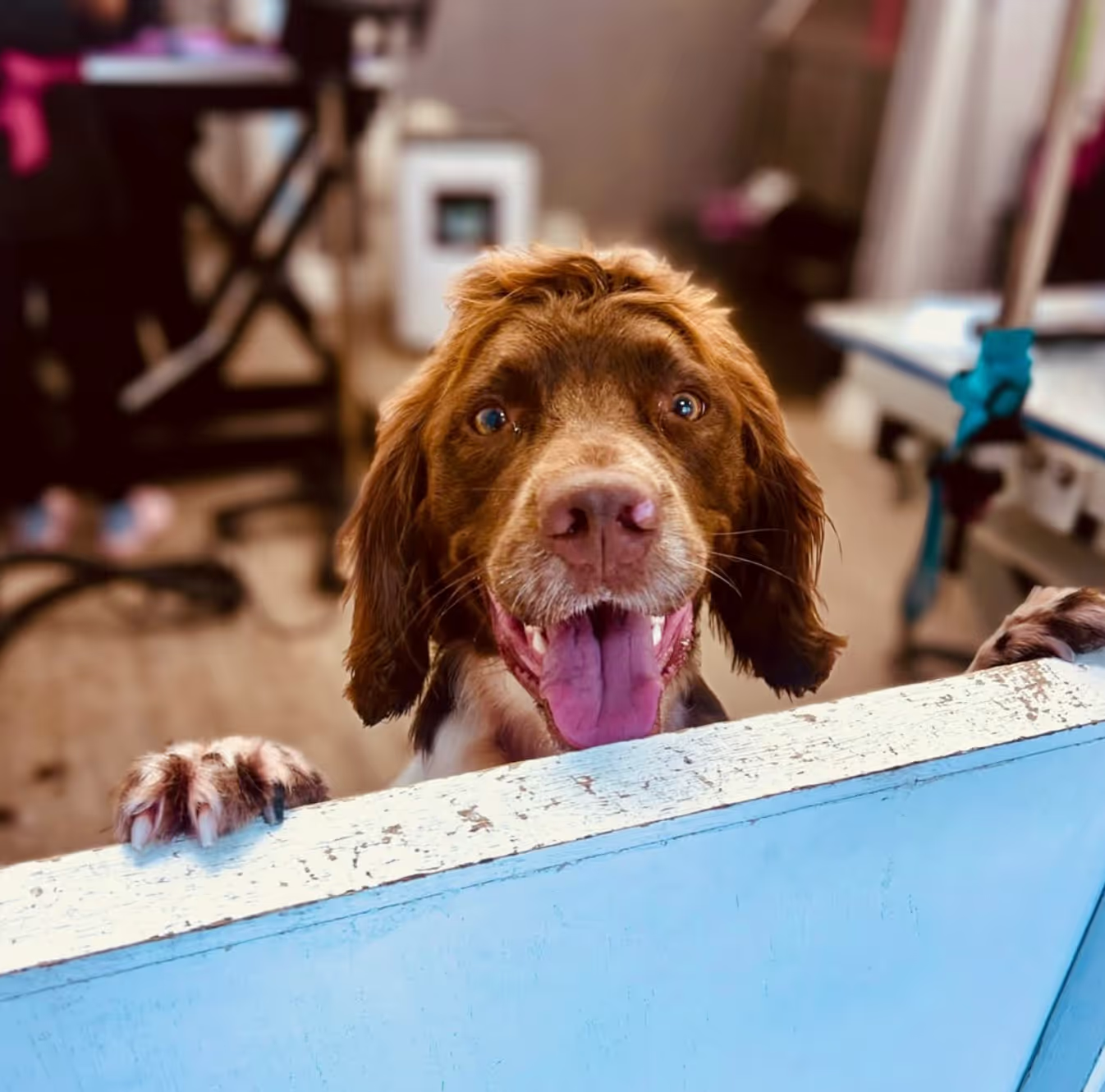
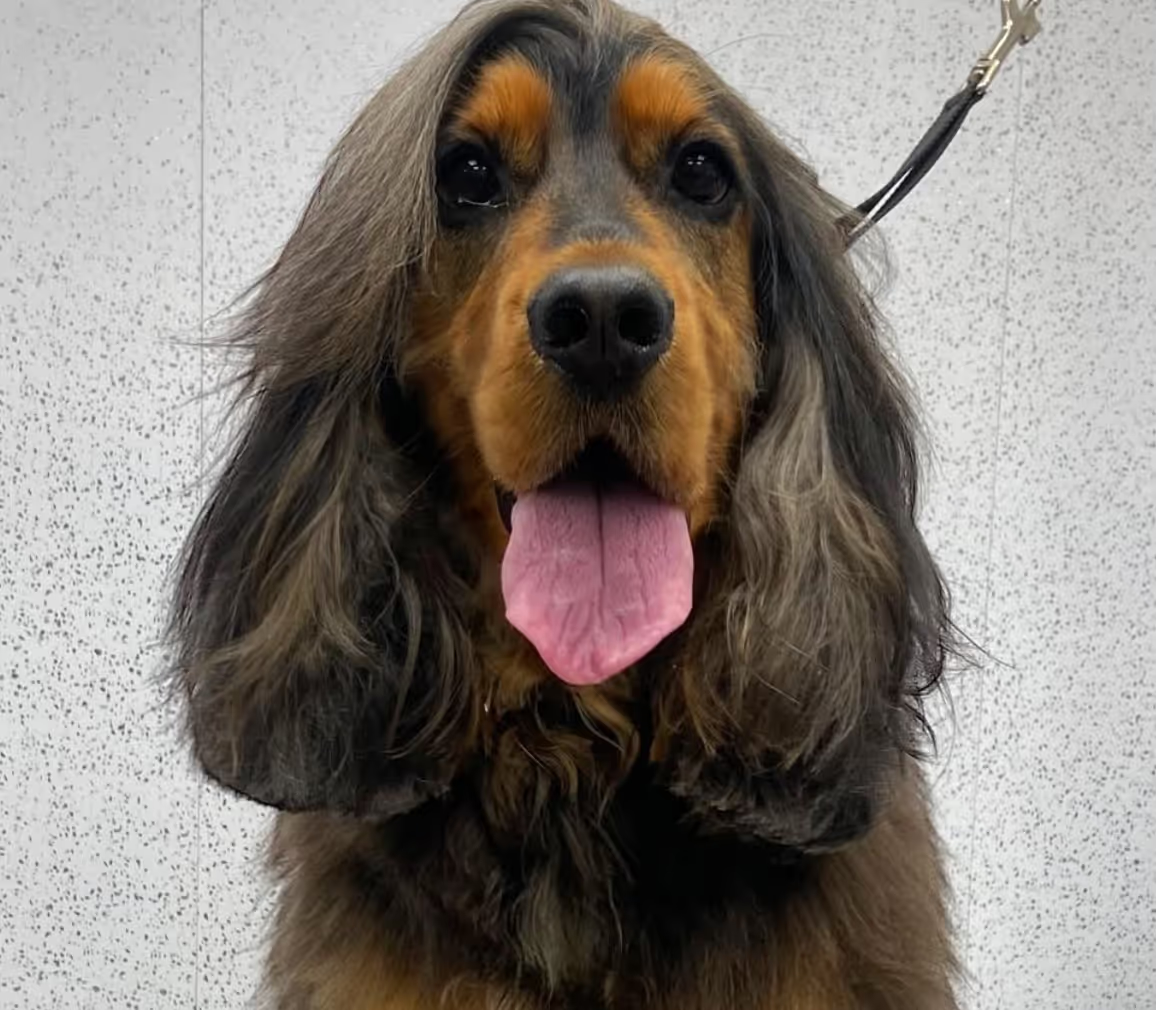
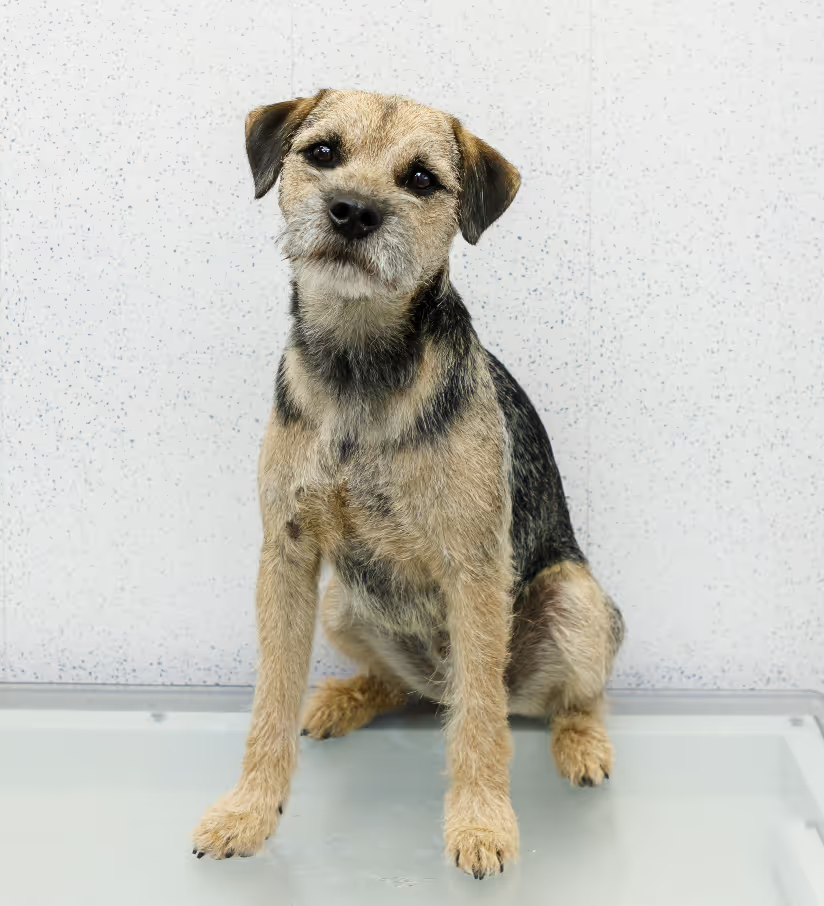
If you own a terrier, a Schnauzer, or another wire-coated breed, you may have been told at some point that your dog should be hand stripped rather than clipped, and you may well have nodded along while quietly wondering what on earth that meant. It is one of the most misunderstood techniques in grooming, partly because it is so different from the clipping and scissoring most people picture, and partly because it has become less common as fewer groomers offer it. But for the right coat, hand stripping is the difference between a dog who looks and feels as nature intended and one whose coat slowly loses everything that made it special.
To understand hand stripping, you first have to understand the coat it is designed for. Wire-coated breeds have a harsh, dense, slightly bristly outer coat sitting over a softer undercoat. This was no accident of breeding. These dogs were developed as working animals, many of them terriers bred to hunt, dig, and push through dense undergrowth, brambles, and burrows. The coarse, weatherproof outer coat protected their skin from thorns, dirt, and the elements as they worked.
That harsh texture is central to how the coat functions. It repels water and dirt, it shields the skin, and it gives these breeds their characteristic smart, rugged appearance. The colours, too, are at their richest and deepest in a properly maintained wire coat. Lose the texture and you lose a great deal of what the coat was for. Breeds in this group include the Border Terrier, Wire Fox Terrier, Lakeland Terrier, Airedale, Cocker and Springer Spaniels in some lines, Schnauzers, and many more.
Here is the part that surprises people. In a wire coat, the individual hairs grow, die, and then naturally loosen, ready to be removed so that fresh new hair can grow through. In the wild, or in a working dog, this dead hair would be pulled out naturally as the dog pushed through undergrowth. The bramble did the stripping. A modern pet dog, snoozing on the sofa rather than working a hedgerow, has no way to remove that dead coat, so it has to be done by hand.
Hand stripping is simply the process of removing that dead hair from the root, either with the fingers or with a stripping knife used to grip the hair rather than cut it. The hair is plucked out gently in the direction of growth, taking out the loose, dead coat and leaving the healthy growing coat behind. New, correctly textured hair then grows through in its place. Done properly on a coat that is ready, it is not painful, because the hair being removed is already dead and loose, rather like brushing out a coat that is ready to shed.
If hand stripping sounds like a lot of work compared with running clippers over the coat, you would be right, and that is precisely why so many wire-coated dogs end up clipped instead. The trouble is that clipping cuts the hair off partway up the shaft rather than removing the dead hair from the root. The dead coat stays in place, and over time several things go wrong.
The most obvious is texture. Clipping repeatedly removes the harsh top coat and encourages the soft undercoat to dominate, so the coat gradually becomes woolly, soft, and fluffy instead of crisp and wiry. The colour fades too, because the rich pigment lives in those harsh guard hairs; many a clipped Border Terrier loses its lovely deep colour and turns a pale, washed-out shade. The coat also loses its weatherproofing, holding water and dirt rather than repelling them. And because the dead coat is never properly cleared, the skin underneath can become congested, leading to irritation and a generally less healthy coat. None of this is a disaster for the dog's day-to-day happiness, but it is a real loss for the coat, and once a coat has been clipped for years it can be very difficult to bring the texture back.
Hand stripping suits dogs with a genuine wire coat that is being kept in good, traditional condition, and it is especially worthwhile if you love the proper look, texture, and colour of your breed, or if you show your dog. It needs to be done regularly and on a schedule, because the technique works with the coat's natural growth cycle, removing the coat in stages as sections become ready.
It is not the right choice for every dog or every owner, and that is perfectly fine. An older dog, a dog with certain skin conditions, or a coat that has already been clipped soft for years may be better suited to a clipped maintenance routine, and a relaxed pet owner who simply wants a tidy, comfortable dog may quite reasonably prefer clipping. The important thing is to make that choice knowingly, understanding the trade-off, rather than defaulting to clipping simply because hand stripping was never offered or explained.
A hand stripping appointment is a slower, more hands-on session than a standard clip, and it is usually done in stages over time to keep the coat on its natural cycle. We work methodically, taking out the dead coat gently and in the direction of growth, and we always read the dog's comfort as we go. Many dogs settle into it perfectly happily, especially when it has been part of their routine from a young age.
Because the technique works with the growth cycle, consistency matters more than with clipping. Keeping to a regular schedule means the coat is always in good order and the job is never an overwhelming one, for the dog or the groomer. Between appointments, regular brushing keeps everything tidy and helps you stay familiar with the state of the coat.
Hand stripping is one of those traditional skills that rewards doing things properly. For a wire-coated dog, it preserves the texture, the colour, the weatherproofing, and the health of the coat in a way clipping simply cannot match. It takes more time and more care, but the result is a dog who looks every bit the breed they are meant to be, with a coat that is doing exactly the job it was bred to do.
If you have a terrier or another wire-coated breed and you would like to keep the coat in proper condition, or you are not sure whether hand stripping or clipping is the better route for your dog, get in touch. We are happy to assess the coat, talk you honestly through the options, and recommend the approach that suits both your dog and your life.
One of the most common questions we hear is whether a wire coat that has been clipped for years can be restored to its proper texture, and the honest answer is: sometimes, partly, and only with patience. The process is called rolling the coat back, and it involves a transitional period of careful hand stripping to gradually clear the soft, clipped coat and encourage the harsh top coat to re-establish. How successful it is depends on the individual dog, their age, and how long they have been clipped. A younger dog clipped for only a short time often comes back beautifully; a dog clipped for many years may never fully regain the original texture, because the hair follicles can change over time. It is also a commitment, requiring regular, consistent appointments rather than a one-off fix. If restoring the coat matters to you, the most important thing is to start the conversation early and commit to a schedule. We will give you a realistic, honest assessment of what is achievable for your particular dog rather than promising more than the coat can deliver.
Does hand stripping hurt my dog? When done properly on a coat that is ready, no. The hair being removed is already dead and loosened at the root, so it comes away easily, rather like brushing out a coat that is ready to shed. Timing and technique are everything, which is why it should be done by someone experienced who works with the coat's natural cycle and reads the dog's comfort throughout.
Which breeds need hand stripping? Wire-coated breeds, including the Border Terrier, Wire Fox Terrier, Lakeland Terrier, Airedale, many Schnauzers, and some spaniel lines, among others. If your dog has a harsh, bristly outer coat over a softer undercoat, it is likely a candidate. We can assess the coat and tell you whether hand stripping suits it.
How often does a wire coat need stripping? It works best on a regular rolling schedule rather than as an occasional event, because the technique follows the coat's growth cycle, removing hair in stages as sections become ready. The exact interval varies by dog and coat, but consistency keeps the coat always in good order and the job manageable for the dog.
Is hand stripping more expensive than clipping? It usually takes more time and skill than a standard clip, so it can cost more per session. However, it preserves the coat's texture, colour, and health in a way clipping cannot, which many owners feel is well worth it. A regular schedule also keeps each session efficient rather than letting the coat become a big job.
Can I just have my terrier clipped instead? Yes, and for many pet owners that is a perfectly reasonable choice, especially for older dogs or relaxed households. The main trade-off is that repeated clipping softens the texture and fades the colour over time. The important thing is to choose knowingly rather than defaulting to clipping simply because hand stripping was never offered.